Department of Regional
& Economic Development
& Economic Development

The Department of Regional and Economic Development of the Agricultural University of Athens organized an educational field trip to Aitoliko and Messolonghi, aiming to provide students with hands-on learning experiences and a deeper understanding of the relationship between local production, natural resources, entrepreneurship, and sustainable regional development.
As part of the field trip, the following educational visits and activities took place:
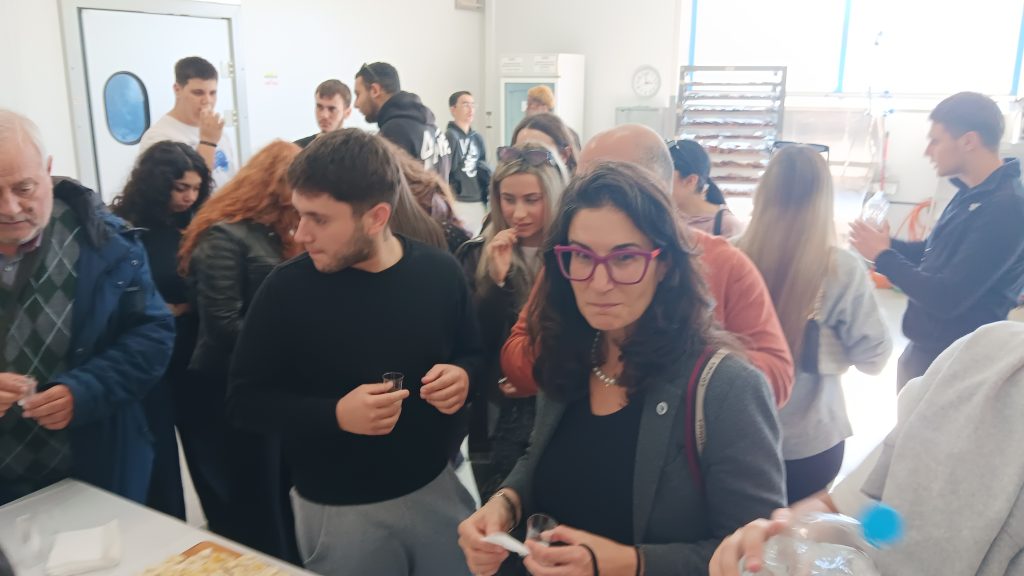
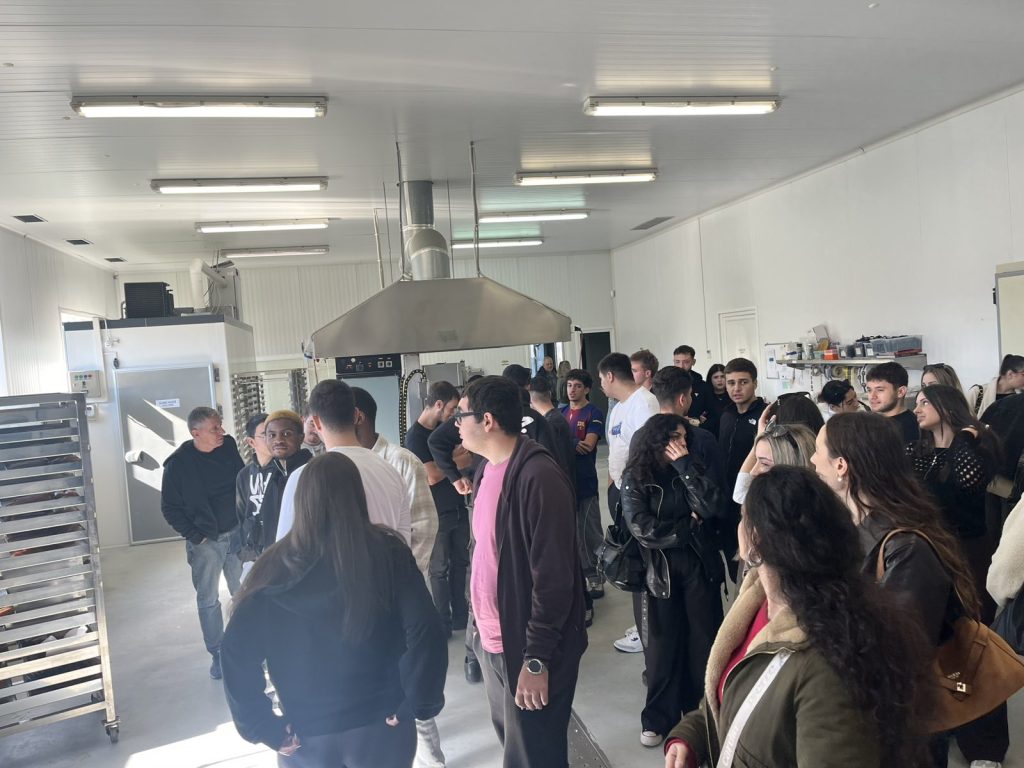
“Stefos” Bottarga Production Company in Aitoliko https://www.botargostefos.gr/ Students were introduced to the bottarga processing and packaging procedures of this traditional, high-value-added local product. The visit also provided an opportunity to explore the contribution of local entrepreneurship to economic development, the promotion of local identity, and the utilization of the region's comparative advantages.
Hellenic Saltworks S.A. in Messolonghi https://saltworks.gr/ Students learned about the salt production process, the economic significance of natural resource utilization, the operations of a production-oriented enterprise, and the interconnections between industrial activity, environmental management, and the local economy.
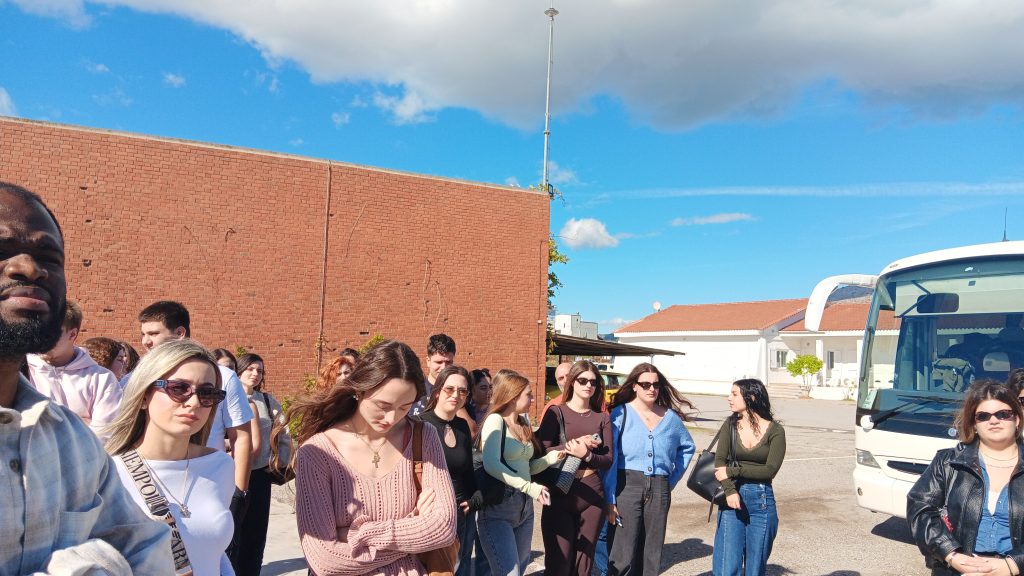
Salt Museum of Messolonghi https://saltmuseum.gr/ The visit offered insights into the history, production, and diverse uses of salt, as well as its long-standing influence on the economic, social, and cultural development of the region.
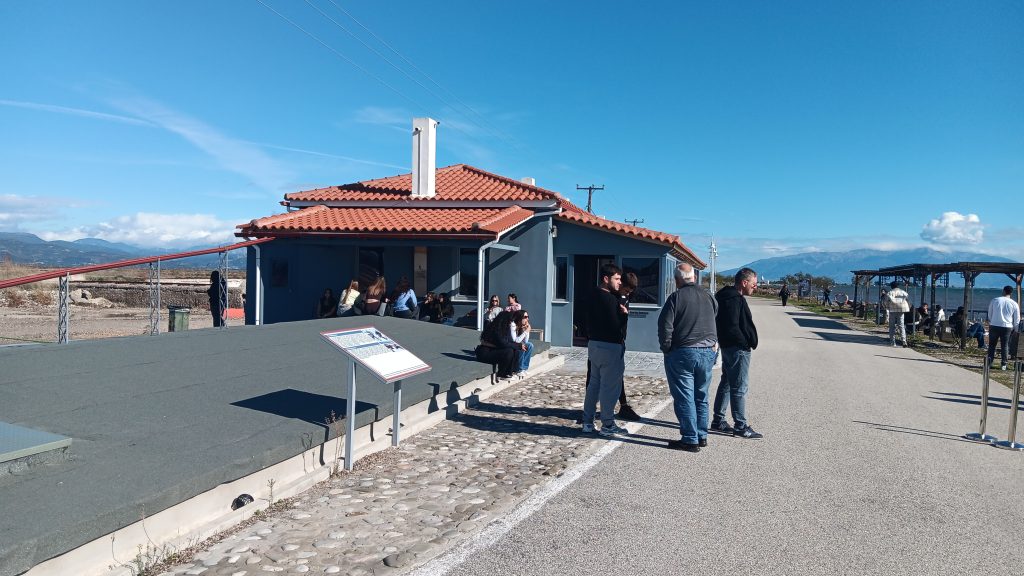
Environmental Briefing by an Environmental Scientist from Messolonghi By Locals https://messolonghibylocals.com/ The briefing highlighted the unique ecological value of the Messolonghi–Aitoliko Lagoon, the importance of biodiversity, and the need to protect its natural ecosystem. Particular emphasis was placed on opportunities for the sustainable development of the area, the promotion of alternative forms of tourism, the strengthening of local entrepreneurship, and the prospects for economic growth while maintaining environmental balance.
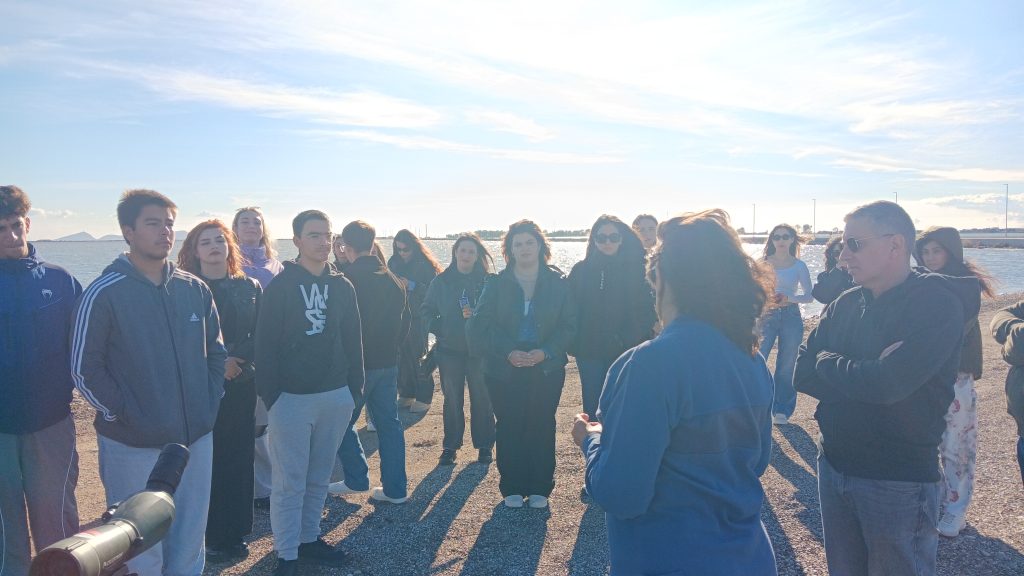
The primary educational objective of the field trip was to bridge theoretical knowledge with real-world production processes, economic activities, and environmental practices. Students had the opportunity to examine the region as an integrated system in which the natural environment, productive activities, entrepreneurship, and cultural heritage interact and collectively shape the conditions for regional development.
This educational initiative forms part of the Department's broader commitment to promoting experiential learning, strengthening its engagement with external stakeholders, and connecting academic studies with the local economy and the actual development potential of regional communities.